Tree Removal Metairie for Home Sellers Looking to Improve First Impressions


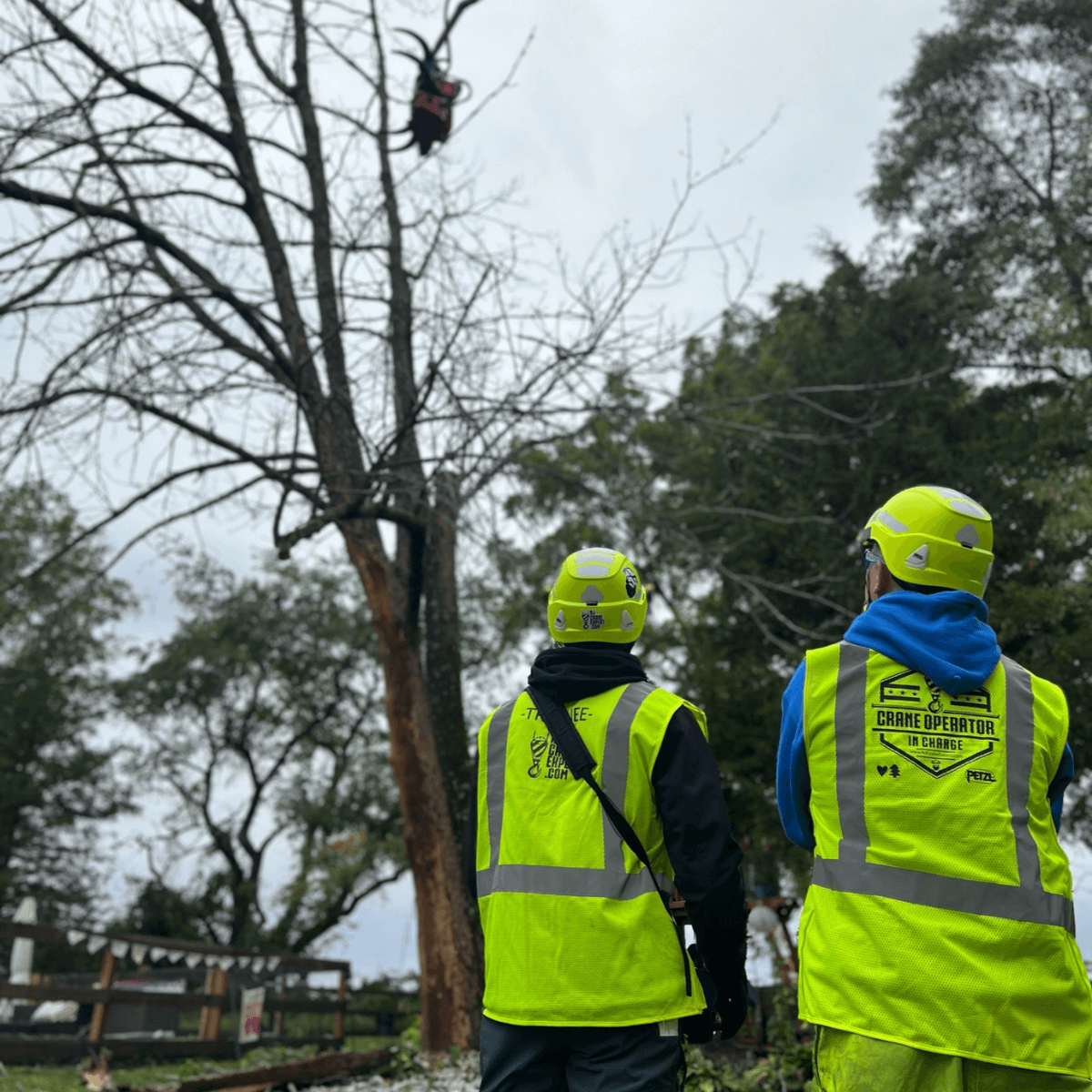
Selling a home in Metairie often comes down to a handful of first impressions that form in the first thirty seconds. Buyers notice the roofline, the driveway, the condition of the lawn, and the way the front yard frames the house. They also notice what blocks the view, what looks neglected, and what feels like a future expense waiting to happen. Trees can add charm and value, but they can also work against a sale when they are overgrown, leaning, diseased, crowding the structure, or simply making the property look darker and smaller than it is.
That is where thoughtful tree work becomes part of a smart pre-sale strategy. In some cases, trimming is enough. In others, full tree removal is the better choice. Home sellers looking into tree removal Metairie services are usually not trying to transform the yard into a blank slate. They are trying to remove distractions, reduce buyer objections, and present the property as clean, cared for, and easy to own.
The difference matters. Buyers rarely walk a property and say, “This tree cost the seller a deal.” What they do say is, “The house feels shaded and damp,” or “I worry those limbs are too close to the roof,” or “That stump and root system make the yard feel unfinished.” A single problematic tree can quietly shape how buyers interpret the rest of the home.
Why trees can complicate a home sale
Mature trees are often treated as automatic assets, and sometimes they are. A healthy live oak with a strong canopy and proper clearance can make a property feel established and elegant. In a neighborhood with limited shade, a good tree can absolutely add appeal. But sellers need to look at their landscaping through a buyer’s eyes, not their own history with the property.
A tree that has sentimental value because a family planted it twenty years ago may not read the same way to a buyer. If it drops constant debris, hangs over the power line, blocks natural light into the living room, or towers too close to the house, buyers are more likely to see cost than beauty. They start mentally adding up future bills before they ever reach the kitchen.
Metairie’s climate adds another layer of concern. Heavy rains, storm seasons, soft or saturated ground, and the reality of high winds make tree condition more than a cosmetic issue. Local buyers know this. They have seen limbs come down, roots shift hardscaping, and weak trees fail after bad weather. A neglected tree near a roof or fence is not an abstract problem here. It feels immediate.
That is why pre-sale tree decisions often carry more weight in southeastern Louisiana than they might in drier, milder regions. Buyers are not just evaluating curb appeal. They are evaluating exposure.
First impressions begin at the street
When buyers pull up to a house, they form assumptions fast. A dense front-yard canopy can make a home look hidden, older, or poorly maintained, even when the interior is beautifully updated. I have seen homes with fresh paint, strong listing photos, and well-staged interiors struggle because the front elevation looked dark and crowded from the curb. Once a few shrubs were reshaped and one oversized tree was removed, the architecture of the house became visible again. The whole property photographed better, and showings felt different.
That visual clarity matters more than many sellers realize. Real estate photography compresses depth and exaggerates shadow. A tree that looks only mildly overgrown in person can dominate the listing photos. Branches crossing in front of upper windows create visual noise. Low limbs can make the front door look tucked away. Thick canopies can cast the kind of shade that makes siding and brick appear dull.
Removing the right tree can solve several of these issues at once. It can reveal the front porch, brighten the entry path, improve lawn growth by allowing more sunlight, and create cleaner sightlines from the street. Buyers do not usually identify each of those changes individually. They simply feel that the home looks more open and more cared for.
When removal makes more sense than trimming
Not every tree problem requires a saw crew and a full extraction. There are plenty of cases where pruning, crown lifting, or selective thinning can restore balance. But sellers sometimes spend money on repeated trimming when the better financial and visual move is permanent removal.
A tree is often a candidate for removal before listing when it falls into one of several practical categories. It may be structurally compromised, such as one with visible decay, a split trunk, or a pronounced lean. It may be poorly placed, growing too close to the foundation, roofline, driveway, or sewer infrastructure. It may be the wrong species in the wrong location, one that sheds aggressively, produces surface roots, or grows faster than the space allows. Or it may simply overwhelm the lot and suppress the marketability of the home.
The hardest calls tend to involve healthy trees that are still working against the sale. Sellers understandably hesitate to remove a living tree. Yet buyers are not evaluating environmental virtue in the abstract. They are asking whether the exterior feels manageable. If one large tree makes the yard look high maintenance and dark, and if its removal would make the property feel larger, brighter, and safer, then the practical answer may be yes, even if the tree itself is not dying.
This is where experienced judgment matters. A good contractor or arborist will not reflexively recommend removal. They will look at health, species, root behavior, storm risk, and how the tree interacts with the house. A real estate agent with strong local experience can also be helpful here, especially one who has seen buyer feedback on similar properties.
The Metairie factor, storms, roots, and buyer psychology
Tree removal Metairie decisions are shaped by conditions specific to the area. Buyers here tend to be alert to drainage, flooding, roof condition, and anything that hints at deferred exterior maintenance. Trees are part of that picture. A giant root flare lifting a walkway does not just suggest a concrete repair. It signals possible drainage issues and future upkeep. Limbs scraping the roof do not just look messy. They suggest pest access, moisture retention, and storm vulnerability.
Large trees close to slab foundations can also make buyers nervous, even when the actual structural risk is unclear. The perception of risk alone can influence offers. In real estate, perception is not a side issue. It is part of the pricing environment.
There is also the insurance angle. While policy details vary, some buyers worry about whether a hazardous tree could complicate coverage or invite demands for corrective work. Sellers who handle obvious exterior hazards before listing remove one more source of friction from the transaction.
I have seen deals slow down over far smaller items. A hanging limb over a detached garage prompted one buyer to ask for a specialist inspection, then a credit, then a second estimate because the first quote seemed too low. What could have been handled quietly before listing became a negotiation point late in the process. The cost difference was not huge. The stress difference was.
Curb appeal is not just beauty, it is legibility
A well-prepared exterior tells buyers how to understand the property. If the front yard is overplanted and the canopy is uneven, the house can feel visually confusing. Good curb appeal simplifies the read. The buyer should immediately understand where the entry is, how the yard functions, and whether the home feels bright, usable, and maintained.
Tree removal can improve that legibility in ways sellers do not always anticipate. More daylight on the façade can make paint and masonry look newer. Clearer views of windows can make rooms feel brighter before the buyer even steps inside. A more open front yard can make lot lines feel larger. Even the sound of the property can change. Without branches brushing the roof or scraping the siding in a breeze, the exterior can feel calmer and more solid.
These are subtle effects, but subtle effects are often what separate a listing that feels polished from one that feels like work.
Timing the work before listing
If removal is the right move, timing matters. Sellers should avoid treating tree work as a last-minute panic item unless there is a clear safety issue. Removing a tree often leads to related tasks, stump grinding, root cleanup, patching lawn damage, regrading disturbed soil, and sometimes repairing irrigation or hardscape edges. If a large tree comes out and the yard is left scarred, the improvement may be undercut.
The best results usually come when the work is scheduled early enough to let the landscape settle. Grass can be repaired, beds can be reshaped, and photos can be taken after the property has had time to recover. In practical terms, that often means starting the evaluation several weeks before professional photography and listing launch, and longer if multiple exterior projects are in play.
Storm season can compress timelines in Metairie. Reputable companies may be booked, permits may take time where required, and rainy stretches can delay access to the yard. Waiting too long limits options and can force rushed decisions.
Cost, value, and what sellers should really ask
Many sellers want a clean formula: spend X on removal, gain Y in sale price. Real life is rarely that tidy. Tree removal usually pays off less as a direct line-item return and more as a friction reducer. It helps the property show better, photograph better, and generate fewer buyer concerns. That can support stronger offers, faster decisions, and less haggling after inspections.
Costs vary widely based on size, location, equipment access, species, and complexity. A small ornamental tree in an open yard is one thing. A large tree close to a structure, fenced in tightly, or entangled with utility considerations is another. Stump removal may or may not be included. Hauling, cleanup, and surface restoration can also differ from one proposal to the next.
The better question is not simply, “Will I get this exact amount back?” It is, “Does this tree make the property harder to sell, easier to criticize, or more expensive-seeming than it needs to be?” If the answer is yes, the work can be worthwhile even without a neat return-on-investment percentage.
Sometimes the value is defensive. A seller removes a visibly risky tree and avoids a buyer request for a large closing credit. Sometimes the value is presentational. The house finally looks like the photos buyers hoped to tree removal metairie see. Sometimes the value is emotional. Buyers can picture themselves enjoying the yard instead of managing it.
Choosing the right trees to keep
The conversation should not always revolve around what to remove. Keeping the right trees is part of the strategy. Buyers appreciate mature landscaping when it looks intentional and healthy. The goal is balance, not emptiness.
A yard with one strong, well-shaped anchor tree and clean sightlines often performs better than a yard with several competing trees of mixed health and inconsistent form. Sellers do best when they think in terms of framing. Which trees enhance the house? Which ones hide it? Which ones create dappled shade and visual softness? Which ones dominate the lot and generate cleanup concerns?
That kind of editing is what makes a property feel composed. Landscaping should support the home, not compete with it.
What buyers often notice that sellers miss
Homeowners become accustomed to the small annoyances and warning signs in their own yards. They stop noticing the area where roots buckle the walkway or the way the canopy has slowly crept over the roof over the years. Buyers see these things immediately because they are fresh eyes, and fresh eyes are unforgiving.
They notice saw cuts from old limb failures. They notice deadwood suspended high in the canopy. They notice when the lawn beneath a dense tree is patchy and muddy because too little light reaches it. They notice seed pods, dropped limbs, excess leaf litter in gutters, and branches hanging over parked-car space. None of these items alone may kill a deal, but together they create a story about maintenance.
The stronger your exterior story, the less room there is for buyers to invent a negative one.
Working with professionals without overspending
Not every property needs the most extensive scope of work. Sellers should get clear recommendations and understand the difference between cosmetic cleanup and risk management. If you are interviewing providers for tree removal Metairie work, ask them to separate what is essential from what is optional. A thoughtful contractor should be able to tell you which tree presents the biggest issue, which could simply be pruned, and what cleanup steps will matter most for resale presentation.
It also helps to ask practical questions in plain language. Will the removal tree removal metairie aperfectcuttree.com expose an unattractive gap that should be replanted later? Will heavy equipment damage the lawn? How visible will the stump area be from the front approach? Are there permit issues or utility concerns? What is realistic for timing if rain interrupts the schedule?
These details matter because the goal is not just to cut down a tree. The goal is to improve the selling position of the property.
A short pre-listing decision framework
If sellers feel torn, this quick framework usually clarifies things:
- Stand at the street and ask whether the tree highlights the house or hides it.
- Walk the roofline, driveway, and foundation area and note any contact, crowding, or root disruption.
- Consider buyer psychology, especially in storm-prone areas, and ask what this tree suggests about future maintenance.
- Compare the cost of removal with the likely cost of objections, delayed offers, or post-inspection concessions.
- Decide whether pruning solves the real problem, or whether removal is the cleaner answer.
That five-step filter keeps the discussion grounded in market realities rather than sentiment alone.
After removal, finish the job properly
A tree coming down is only part of the visual story. What happens next determines whether the improvement looks intentional or incomplete. If the stump remains in a prominent spot, the yard can still feel unfinished. If the soil is left uneven, buyers may read it as a drainage problem. If the surrounding landscape is not refreshed, the newly open space can feel awkward rather than welcoming.
The best post-removal results usually include smoothing and leveling the area, restoring turf or mulch, cleaning adjacent beds, and reassessing how the front walkway and façade now read from the curb. Sometimes a smaller accent planting works well after removal. Sometimes the clean open space is enough. Either way, the finish should feel deliberate.
I have seen sellers spend meaningful money on removal and then stop short of the easy finishing touches that make the change feel complete. A couple of yards of fresh mulch, a repaired edge along the bed line, and re-seeded grass can do a surprising amount of work. Buyers respond to polish.
When not to remove a tree
There are times when removal is unnecessary or even counterproductive. If the tree is healthy, well-placed, and contributes real shade without obscuring the home, keeping it may strengthen the property’s appeal. This is especially true when the lot would look bare without it or when neighboring homes benefit from similar mature canopy.
Likewise, removing too much at once can expose flaws. A heavily shaded side of the house may have color variation on the siding or old roof staining that becomes more visible after canopy loss. A yard that relied on tree shade may suddenly show sparse grass or hard-packed soil. A house that felt nestled can start to feel exposed. These are not arguments against removal, only reminders that landscaping decisions should be made with the whole property in view.
That is why selective judgment matters more than blanket rules. Mature trees are valuable when they are assets. They are liabilities when they ask buyers to overlook too much.
The real goal, fewer questions and stronger confidence
Most successful home sales are not won through one dramatic improvement. They are won by steadily removing reasons for hesitation. Tree work fits into that principle perfectly. Buyers do not need to be dazzled by every detail outside. They need to feel confidence. They need to see an exterior that looks safe, manageable, and appropriately maintained for the price.
For many sellers, tree removal Metairie services become part of that confidence-building process. Done well, the work clarifies the architecture, brightens the lot, reduces perceived risk, and helps the home enter the market with fewer obvious objections. That is not flashy. It is effective.
A good first impression does not happen by accident. It comes from editing the property so buyers can see the home clearly, without visual clutter, without maintenance alarms, and without wondering what they will have to fix right after closing. Sometimes that means keeping a beautiful tree and shaping it well. Sometimes it means taking one down so the house can finally speak for itself.
A Perfect Cut Tree Service
4725 Shores Dr, Metairie, LA 70006
+1 504-732-0779
FAQ About tree removal metairie
What is the average cost of tree removal in my area?
There is no single price that fits every tree. Size, condition, access, nearby structures, equipment, debris hauling and stump work affect the estimate. Request a written, site-specific quote that identifies what is included.
Who will remove trees for free?
Free removal is not generally available for ordinary private-property tree work. Utilities or public agencies may handle trees within their responsibilities. Confirm eligibility directly and do not assume that an offer or assistance program covers your tree.
Can I just cut down a tree in my yard?
Check ownership, location and local requirements first. Jefferson Parish requires a permit for removal of qualifying vegetation in the public right-of-way, and additional protections may apply in designated areas. Ask the parish about your property and have a qualified tree professional assess the work.